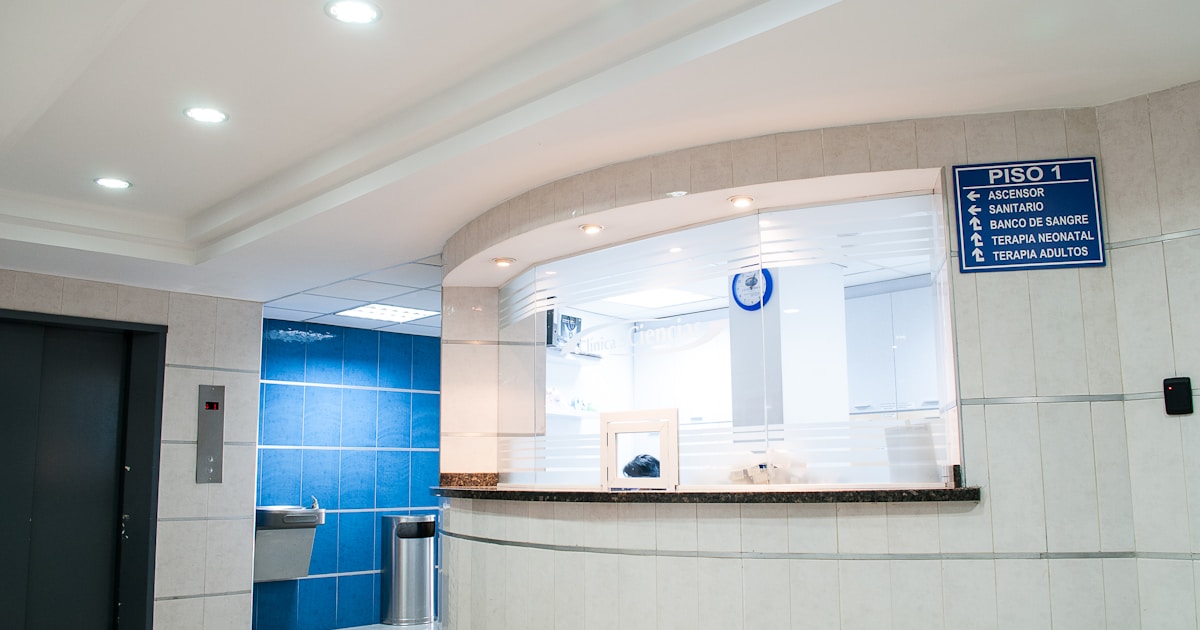
The emergency department waiting room was full.
Patients sat watching the clock.
Nurses were stretched.
Doctors were frustrated.
Leadership was under pressure.
Every day seemed to bring the same challenges:
Long wait times.
Increasing complaints.
Growing workloads.
Declining staff morale.
The common belief was that the hospital needed more resources.
More staff.
More beds.
More funding.
But before investing millions of dollars into additional capacity, the organisation decided to take a different approach.
They chose to understand the process.
A Lean Six Sigma team was assembled to study how patients moved through the healthcare system from arrival to treatment and ultimately discharge.
What they discovered was eye-opening.
Patients weren't simply waiting because demand was too high.
They were waiting because the process itself contained hidden inefficiencies.
Information was being entered multiple times.
Patients were waiting between handoffs.
Diagnostic requests were sitting in queues.
Approvals created delays.
Staff were constantly interrupting one another to clarify information.
Work was moving, but patients were not.
The team mapped the entire patient journey using Value Stream Mapping.
Every step was examined.
Every delay was measured.
Every bottleneck was identified.
What emerged was a picture that many healthcare organisations would recognise.
The biggest opportunities weren't clinical.
They were operational.
The team used Lean Six Sigma tools to analyse data, identify root causes, and prioritise improvement opportunities.
Processes were simplified.
Workflows were standardised.
Communication pathways were improved.
Roles and responsibilities became clearer.
Technology was used more effectively.
Unnecessary steps were removed.
The result was a healthcare system that flowed more smoothly.
Patients spent less time waiting.
Clinicians spent more time caring for patients.
Staff spent less time chasing information.
Leaders gained greater visibility of performance.
Most importantly, the patient experience improved.
What made the difference wasn't a new building, a larger workforce, or a major technology investment.
It was a disciplined approach to understanding and improving how work flowed through the system.
This story has been repeated in healthcare organisations around the world.
Hospitals applying Lean Six Sigma have reported improvements in patient flow, reductions in waiting times, higher patient satisfaction, lower operational costs, and improved staff engagement.
The lesson is simple.
Many healthcare challenges appear to be capacity problems.
In reality, they are often process problems.
When organisations focus on eliminating waste, reducing variation, and improving flow, they unlock capacity that already exists within the system.
Lean Six Sigma does not replace clinical expertise.
It enables it.
Because every minute removed from unnecessary delays is another minute that can be invested in patient care.
And in healthcare, that is where operational excellence creates its greatest value.